Physical Address
304 North Cardinal St.
Dorchester Center, MA 02124
 Skip to content
Physical Address
304 North Cardinal St.
Dorchester Center, MA 02124

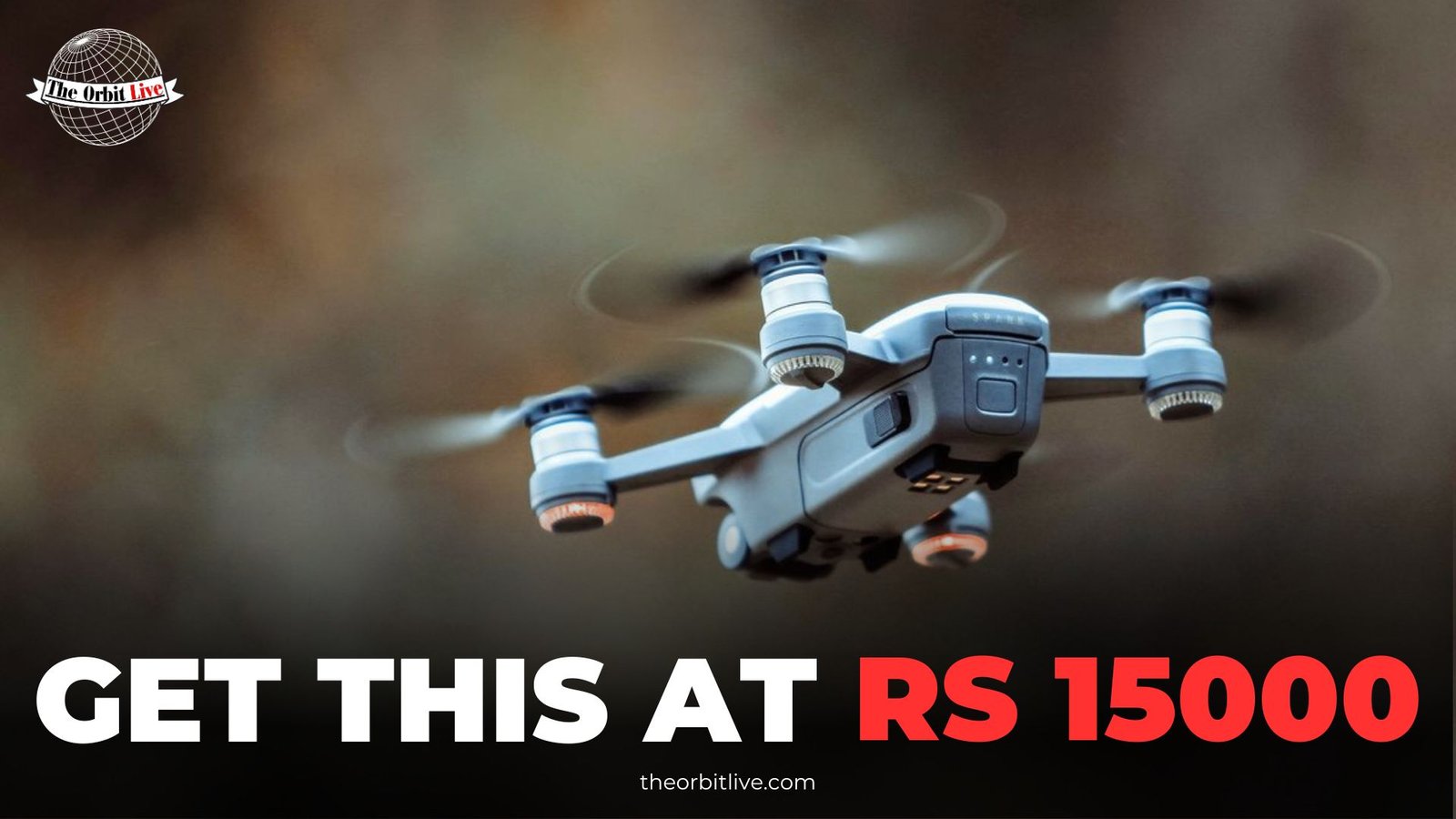
When DJI unveiled the Spark in May 2017, it wasn’t aiming for professionals—it was aiming for your backpack. The Spark was DJI’s first “pocket-sized” consumer drone, designed to be flown by almost anyone, even without a controller. Its biggest selling points were gesture control, QuickShot video modes, and a fun, colorful design. At a time when drones were still bulky, Spark brought portability to the masses.
The Spark’s design was playful yet practical. Available in colors like Alpine White, Lava Red, and Meadow Green, it had a sturdy plastic build weighing just 300g. Its arms were fixed (unlike the later Mini series), so it wasn’t as foldable as today’s ultra-portable drones, but it was still small enough to slip into a sling bag. The build quality was surprisingly solid, with enough durability to handle light knocks.
The Spark carried a 1/2.3″ 12MP CMOS sensor capable of shooting 1080p at 30fps. It used a 2-axis mechanical gimbal combined with electronic image stabilization, which produced stable footage for casual use but didn’t match the cinematic smoothness of 3-axis gimbals found in later models. With a top speed of 50 km/h in Sport Mode and a flight time of about 16 minutes, it was quick but had limited endurance.
In 2017, Spark’s gesture control—allowing you to launch, take selfies, and land with hand signals—was revolutionary. QuickShot modes like Dronie, Circle, and Helix were beginner-friendly tools to create cinematic shots instantly. However, compared to today’s DJI Mini 3 Pro or Mini 4 Pro, the Spark’s Wi-Fi control range (up to 2 km with the optional controller, just 100m via phone) feels restrictive.
Mini 1 Comparison: When DJI launched the Mavic Mini in 2019, it was a leap forward—foldable design, 2.7K camera, longer 30-min flight time, and much better transmission range. While the Spark felt like a “fun toy” with decent camera skills, the Mini 1 set the standard for small drones.
While no longer in production, the Spark still pops up on the second-hand market. Prices vary depending on condition and accessories:
| Specification | Details |
|---|---|
| Launch Date | May 2017 |
| Weight | 300 g |
| Dimensions | 143 × 143 × 55 mm |
| Sensor | 1/2.3” CMOS, 12 MP |
| Lens | 25 mm equivalent, f/2.6 |
| Video Resolution | 1080p @ 30fps |
| Gimbal | 2-axis mechanical + EIS |
| Max Flight Time | 16 minutes |
| Max Speed | 50 km/h (Sport Mode) |
| Transmission Range | 2 km (Controller), ~100 m (Phone Wi-Fi) |
| Battery | 1480 mAh LiPo 3S |
| Colors Available | White, Red, Green, Blue, Yellow |
| Features | Gesture Control, QuickShots, TapFly, ActiveTrack |
Pros:
Cons:
If you’re looking for a cheap, fun way to get into drone flying, the Spark can still be a great “starter” option in 2025—especially if you find one with a controller and extra batteries. However, if your goal is long-range flights, higher video resolution, and better battery life, the newer DJI Mini series offers far better value. The Spark remains a nostalgic, reliable, and easy-to-fly drone, but it’s best suited for casual hobbyists rather than aspiring aerial cinematographers.
Q1. Is the DJI Spark still supported by DJI in 2025?
No, DJI has officially discontinued software updates and production for the Spark, but existing drones can still be flown, and parts are available from third-party sellers.
Q2. Can the DJI Spark shoot in 4K?
No, the maximum resolution is 1080p at 30fps.
Q3. How far can the DJI Spark fly?
Up to 2 km with the controller, around 100 meters via mobile device Wi-Fi.
Q4. Is the DJI Spark good for beginners?
Yes, it’s extremely beginner-friendly due to its stability, obstacle detection, and QuickShot modes.
Q5. How much does a used DJI Spark cost in 2025?
Anywhere between ₹12,000–₹25,000 in India (~$150–$300 globally) depending on condition and accessories.

 Optimized by Seraphinite Accelerator