Physical Address
304 North Cardinal St.
Dorchester Center, MA 02124
 Skip to content
Physical Address
304 North Cardinal St.
Dorchester Center, MA 02124

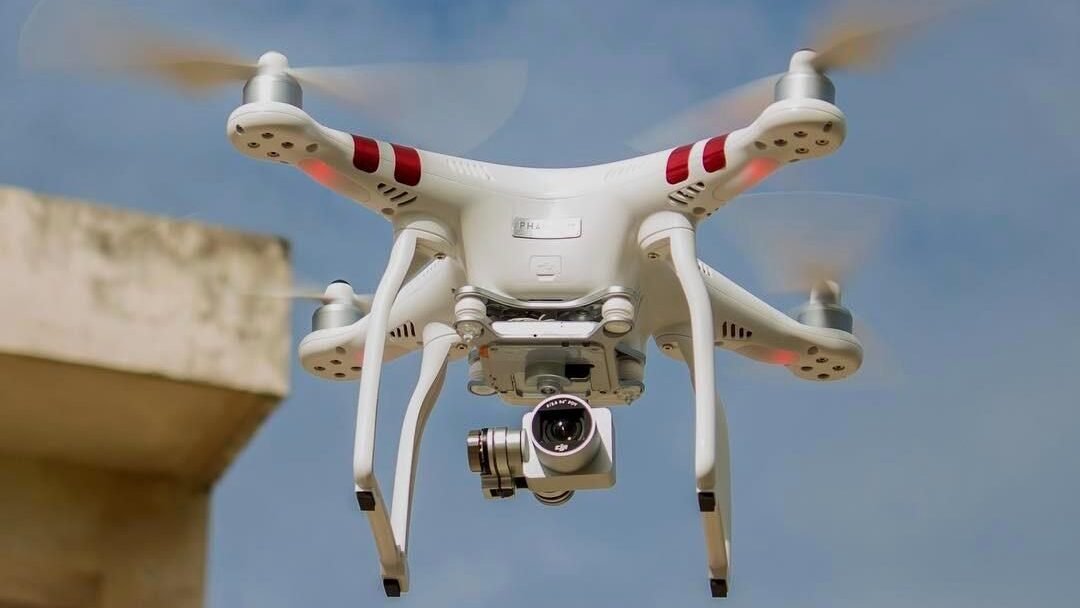
The DJI Phantom 3 series marked a major leap forward in April 2015, introducing a purpose-built, camera-integrated drone to enthusiasts and creators alike. Launched in multiple variants—including Standard, SE, 4K, Advanced, and Professional—it was the first drone in the Phantom lineup to ship with a built-in camera and stabilized gimbal straight out of the box. (3D Insider, TIME)
The Phantom 3 retained the iconic solid white shell of its predecessors, but integrated notable upgrades such as bottom vision sensors for indoor stability and Lightbridge technology for superior video transmission. It offered a compact yet durable build with intuitive setup—easy enough for beginners, yet solid enough for seasoned users. (3D Insider, Wired)
The Phantom 3 Vision models delivered between 23 to 25 minutes of flight time and a range up to 1 km. The Professional variant shot stunning 4K video, while other models offered up to 2.7K. All versions included GPS/GLONASS navigation, auto-return, waypoints, Follow Me, and real-time HD video streaming through the Lightbridge system. (Wired, 3D Insider, Dominion Drones)
| Specification | Details |
|---|---|
| Launch | April 2015 |
| Variants | Standard, SE, 4K, Advanced, Professional |
| Max Flight Time | 25 min (Standard, SE, 4K), 23 min (Advanced, Professional) |
| Max Speed | ~35 mph (~56 km/h) |
| Range | Up to 1 km (FCC), ~500 m (CE) |
| Navigation | GPS + GLONASS, Vision Positioning Sensors |
| Video Output | 4K (Pro), 2.7K (Adv/4K), 1080p/720p (Standard & SE) |
| Photo Sensor | 12 MP CMOS (Sony and Panasonic variants) |
| Gimbal | 3-axis stabilization |
| Transmission | Lightbridge with 720p live feed |
| Weight | ~1216 g (Standard/SE/4K/Adv/Pro) |
| Flight Modes | Follow Me, Waypoints, Point of Interest, Return Home |
| Camera Recording | MP4/MOV, H.264 codec |
At release, the Phantom 3 was ahead of its time with built-in stabilized cameras, advanced GPS modes, and live video streaming to mobile devices. Today, it lacks modern upgrades like obstacle avoidance, higher dynamic range cameras, and longer battery life—but the core flight performance has aged well. (Wired review of Pro, Tech Advisor)
On platforms like eBay, complete Phantom 3 kits (works-with accessory packs included) typically sell between $250 to $400, depending on condition and model. (Tech Advisor, general marketplace trends)
Pros: Exceptional build quality, intuitive flight control, integrated FPV, and warm legacy support for mods and repairs.
Cons: No obstacle avoidance, dated camera tech, limited battery life, and lack of firmware updates.
If you’re nostalgic or looking for an affordable entry into aerial photography with real substance, the Phantom 3 remains a solid pick. But for modern drone features—like enhanced vision systems or advanced AI modes—newer models in the Mini or Air line deliver more value today.
What flight modes did the Phantom 3 offer?
It included Follow Me, Waypoints, Point of Interest, and Return-to-Home—all GPS-powered intelligent flight paths. (Manuals, Wired review)
Can the Phantom 3 shoot 4K video?
Yes, but only in the Professional variant. Others maxed out at 2.7K or 1080p. (Wired, 3D Insider)
How long does the Phantom 3 fly?
Flight time ranged from 23 to 25 minutes depending on the variant. (3D Insider, Dominion Drones)
Is the Phantom 3 a good buy in 2025?
For beginners or budget conscious pilots drawn to reliability and legacy value, yes. But anyone needing modern features should explore newer drone options.
What remote control tech did Phantom 3 use for video?
It used DJI’s Lightbridge system, delivering low-latency 720p live video feed to mobile devices.

 Optimized by Seraphinite Accelerator