Physical Address
304 North Cardinal St.
Dorchester Center, MA 02124
 Skip to content
Physical Address
304 North Cardinal St.
Dorchester Center, MA 02124

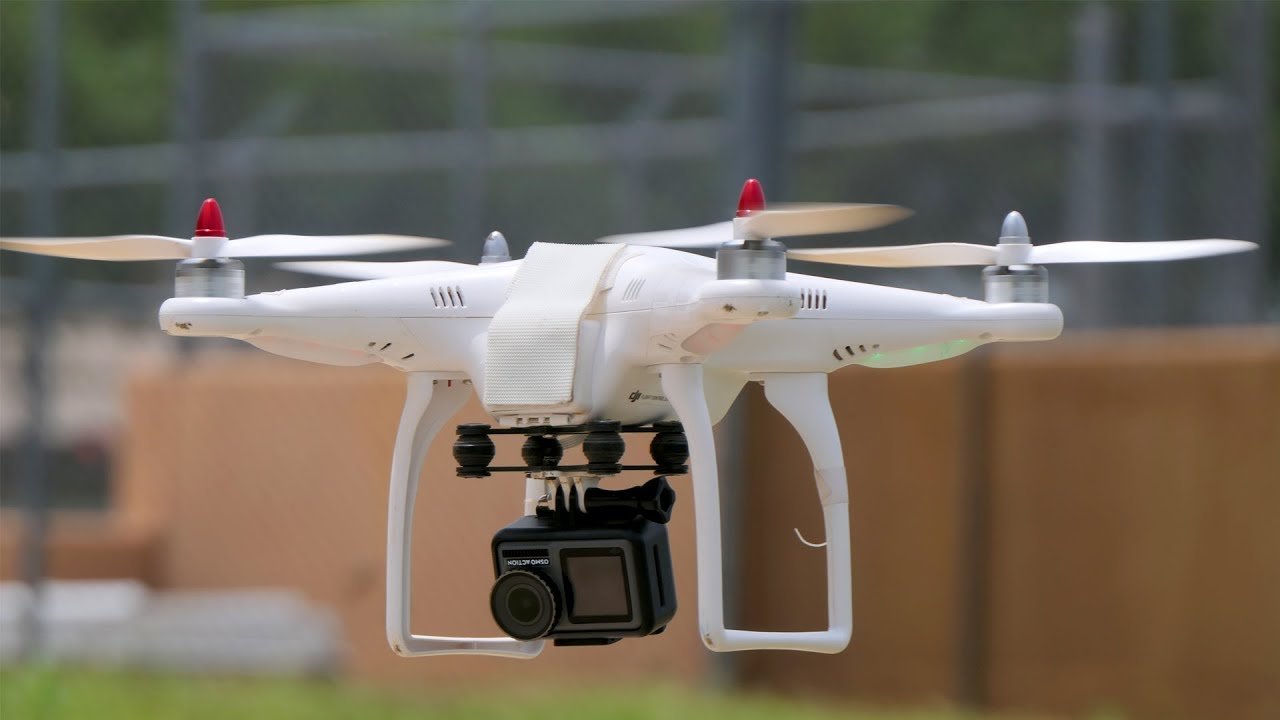
When DJI first stepped into the consumer drone scene, few could have predicted how much the skies would change. From the chunky, no-frills Phantom 1 in 2013 to the sleek, AI-powered DJI Air 3 and Mavic 3 Pro we see today, the brand has shaped — and in many ways defined — what it means to fly a drone. But in a market where new tech arrives faster than you can charge a flight battery, the question is worth asking: Are older DJI drones still worth buying in 2025?
DJI didn’t just release drones; it built an ecosystem. Each new launch brought better stabilization, improved battery life, smarter obstacle avoidance, and more cinematic possibilities. While other brands came and went, DJI cemented itself as the gold standard for aerial photography and videography. But with progress comes a downside — older models get pushed aside, replaced by shinier, pricier upgrades.
In 2025, something interesting is happening. Drone enthusiasts, budget-conscious buyers, and even some professional pilots are revisiting older DJI models. The reason? Many of these drones still hold their own in flight stability, camera quality, and durability — all at a fraction of their original price when bought second-hand. For hobbyists or those learning the ropes, older models can be a surprisingly smart investment.
Over the next few blogs, we’ll break down every DJI consumer drone — from the original Phantom series to the latest Mavic, Air, and Mini models. We’ll talk about their strengths, weaknesses, how they compare to modern alternatives, and whether they deserve a spot in your 2025 gear bag.
This isn’t just about specs; it’s about value for money, real-world performance, and practicality today. Because a decade-old drone with a great camera and stable flight might be a better purchase for you than the latest flagship with a premium price tag.

 Optimized by Seraphinite Accelerator